
Autoimmunity and Inflammation
Functional Medicine for Autoimmunity & Inflammation
Start with our Comprehensive Autoimmune Evaluation to clarify immune drivers before beginning structured intervention.
Poway, California | Functional Health Institute
At Functional Health Institute, we understand that true wellness begins at the root.
Autoimmunity and chronic inflammation are interconnected immune processes, but each requires a distinct, precise approach. Recognizing the difference is essential for patients seeking lasting relief from fatigue, joint discomfort, brain fog, digestive challenges, and autoimmune conditions.
Our Poway-based Functional Medicine practice serves the greater San Diego area and California through telehealth, offering a tailored, sophisticated approach to identify and resolve the underlying triggers of immune dysfunction.
Understanding Inflammation
Inflammation is a vital immune response–the body’s natural mechanism for healing and repair. Acute inflammation:
- Eliminates bacteria and viruses
- Removes damaged tissues
- Initiates tissue regeneration
Signs of inflammation may include redness, swelling, warmth, discomfort, or temporary functional loss.
However, when inflammation becomes chronic, it quietly contributes to long-term complications, including autoimmune disease, cardiovascular concerns, metabolic dysfunction, and persistent pain.
Understanding Autoimmunity
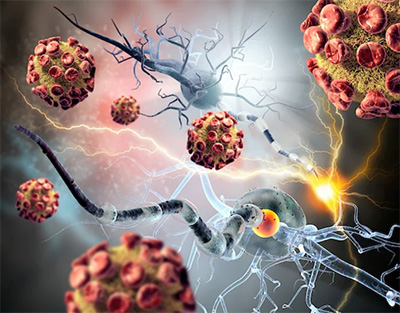
Autoimmunity arises when the immune system mistakenly targets healthy tissues, leading to continuous, localized inflammation and tissue damage.
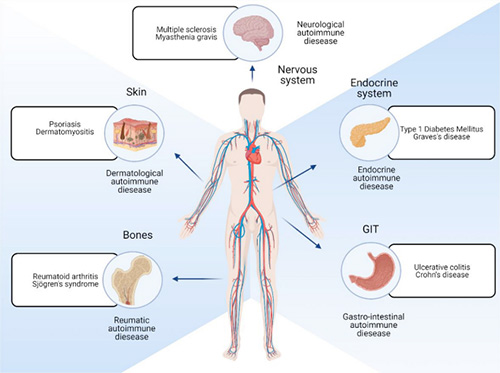
Common autoimmune conditions include:
- Rheumatoid arthritis
- Lupus
- Hashimoto’s thyroiditis
- Psoriatic arthritis
Autoimmunity is more than inflammation; it signals a breakdown in immune tolerance, where the body struggles to distinguish self from non-self.
The Connection Between Autoimmunity and Chronic Inflammation
In autoimmune conditions, chronic inflammation is a persistent cycle: • Healthy tissue is attacked by the immune system
- Inflammatory molecules (cytokines) are continuously released
- Tissue damage progresses, fueling further symptoms
This cycle contributes to fatigue, joint pain, digestive issues, hormonal imbalance, and cognitive symptoms.
Root Causes of Autoimmunity
Autoimmune disease emerges from a combination of:
- Genetic susceptibility (HLA markers)
- Infections and molecular mimicry
- Environmental exposures (toxins, medications, lifestyle factors)
- Hormonal influences (autoimmune disease is more prevalent in women)
- Immune regulation dysfunction
Our Functional Medicine methodology focuses on identifying which factors are active in your body, creating a precise, individualized treatment plan.
Drivers of Chronic Inflammation
Chronic inflammation may be fueled by:
- Persistent infections
- Autoimmune triggers
- Dietary and environmental stressors
- Metabolic dysfunction (insulin resistance, obesity, diabetes)
- Chronic stress and sleep disruption
Unchecked, inflammation silently accelerates disease progression.
Functional Medicine Care for Immune Balance
Conventional therapies often suppress immune activity with medications such as corticosteroids, DMARDs (disease-modifying antirheumatic drugs), or biologic therapies. While sometimes necessary, these approaches may not resolve the underlying cause.
At Functional Health Institute, our Functional Medicine approach focuses on:
- Identifying immune and inflammatory triggers
- Optimizing gut, metabolic, and systemic health
- Reducing overall inflammatory burden
- Personalizing nutrition, lifestyle, sleep, and stress interventions
- Crafting a, evolving care plan for long-term immune balance
Our philosophy prioritizes root-cause healing and sustainable wellness, not temporary symptom control.
Begin Your Journey to Optimal Health
If you experience chronic fatigue, joint discomfort, inflammation, or autoimmune symptoms and are seeking a refined, personalized approach, our team is ready to guide you.
Schedule a complimentary 15-minute discovery call to begin your root-cause assessment: Book Your Discovery Call Here


